
Deciding how to refresh your home’s appearance often revolves around the choice between professional painting vs. DIY approaches. This cost-benefit analysis delves into the advantages and disadvantages of each option, with a tailored perspective for the Australian market. Painting is recognized as a low-cost yet impactful home improvement that significantly enhances both visual appeal and property value. By carefully weighing factors such as budget, available time, and desired outcomes, you can make a well-informed choice. Understanding the implications of both methodologies will ultimately influence the quality of the final result and your satisfaction.
For those considering a more hands-on approach, Geelong Painters in Leopold offers a range of professional services that exemplify expertise and craftsmanship in both residential and commercial projects.
Key Takeaways
- The choice between professional painters and DIY involves evaluating costs and quality.
- Professional painting provides peace of mind through expert handling of projects.
- DIY may save money initially but can lead to higher long-term costs from mistakes.
- Understanding the scope of your project can help determine the best approach.
- Speed and quality are often in favor of hiring professional services rather than DIY efforts.
- Access to high-quality tools and materials makes professional jobs more efficient.
- Long-term value is typically greater with professional painting compared to DIY projects.
Introduction to Painting Choices
Making painting choices for your property—whether it’s a home or a business—requires careful consideration of various factors. With such diversity in residential painting and commercial painting, the options available can be overwhelming. Homeowners often contemplate whether to tackle a project on their own or to enlist the services of professional painters. Factors influencing this decision include budget constraints, project size, and the expertise required for successful execution.
Statistics reveal that a significant 70% of homeowners opt for professional painters to achieve quality results. These experts can typically complete projects significantly faster than a DIY effort, saving an average of 50% of the time involved. On the other hand, approximately 40% of homeowners lean towards DIY painting, primarily for cost savings. The allure of creative freedom and personal customization remains attractive, with 60% of DIY enthusiasts motivated by the chance to express their individual style.
While embarking on a DIY painting project can evoke a sense of accomplishment—up to 75% of homeowners express satisfaction in their completed work—it’s essential to acknowledge the potential pitfalls. Nearly 30% of DIY painters encounter difficulties and require professional assistance. Problems with color choices commonly plague roughly 25% of these individuals, along with unexpected delays in project completion.
When preparing for any painting task, paint preparation plays a crucial role in achieving optimal results. Engaging licensed and insured professionals ensures not only quality and expertise but also peace of mind through warranties and insurance coverage valued by 65% of homeowners. Balancing your options enables you to weigh the pros and cons based on your specific needs, paving the way for a rewarding painting experience.
Understanding the Scope of Your Project
Identifying the project scope is a pivotal step in determining how to approach your painting project. Projects can range from quick touch-ups to extensive renovations, which often involve layers of painting complexity. You must grasp the size of the area to be painted, as well as the varying surface types that might require specific surface preparation techniques.
When assessing your project, consider the following factors:
- Type of surfaces: Different materials like wood, drywall, or metal have distinct requirements that affect the painting process.
- Required finishes: The choice of paint finish—matte, gloss, or semi-gloss—will influence both aesthetics and durability.
- Your skill level: Honest evaluation of your painting abilities is crucial. Basic projects might be manageable, whereas complicated designs may benefit from a professional touch.
- Available time: Consider how much time you can dedicate to surface preparation and painting. Larger projects can be labor-intensive and more time-consuming.
Understanding these elements can help you make a more informed choice. You might find that a DIY approach suits simpler, smaller tasks, while more complex jobs may warrant professional assistance to ensure a polished finish.
Benefits of DIY Painting
Embarking on a DIY painting project can provide numerous appealing advantages for you as a homeowner. This approach not only fosters creativity but also leads to substantial cost savings and a rewarding sense of personal satisfaction.
Cost Savings
One of the primary DIY benefits is the significant reduction in overall painting costs. By taking on the responsibility of painting, you eliminate labor fees that professional painters charge, which in Australia typically range from $35 to $55 per hour. The price of materials varies, with paint ranging from $30 to $120 per litre. Brushes and rollers add to your expenses but can be quite affordable; good quality brushes cost between $5 and $20 while rollers can range from $10 to $40. Therefore, if you are painting an average room, all these factors contribute to an attractive financial incentive for choosing the DIY route. Nonetheless, it’s essential to consider the potential costs associated with mistakes that may require redoing sections of the painting.
Personal Satisfaction
Completing a painting project on your own yields immense personal satisfaction. You have full control over every aspect, from selecting the perfect color scheme to determining your execution timeline. This hands-on participation allows you to experience a sense of accomplishment once the task is completed. For instance, while a professional painter may deliver a flawless finish, as demonstrated by Susan from Perth, your own efforts could bring a level of pride that enhances your home’s character. Furthermore, those DIY benefits include learning valuable skills that can be applied in future projects, thus making home improvement more enjoyable and fulfilling.

| Cost Categories | DIY Costs (Estimated) | Professional Costs (Estimated) |
|---|---|---|
| Paint (per litre) | $30 – $120 | Included in overall rate |
| Brushes (per item) | $5 – $20 | Included in overall rate |
| Rollers (per item) | $10 – $40 | Included in overall rate |
| Labor (per hour) | $0 | $35 – $55 |
| Time to Complete (Average Room) | 4 – 8 hours | Less than half that time |
Drawbacks of DIY Painting
While embracing a DIY approach to painting can be an exciting venture, it brings several challenges that potential painters should consider. Understanding the DIY drawbacks is crucial for making an informed decision.
Time Investment
The time investment required for DIY painting cannot be understated. Engaging in this project involves numerous steps, such as selecting the right paint, preparing surfaces, and cleaning afterward. For individuals without prior experience, these tasks can be time-consuming, often taking days or even weeks to complete. Professional painters, with their skills and tools, can finish projects two to three times faster than DIY enthusiasts. This significant difference can lead to frustration for those expecting a quick turnaround.
Risk of Mistakes
Alongside the time investment lies the ever-present risk of mistakes. Reports indicate that approximately 70% of DIY painting projects display some imperfections, such as streaks, drips, or uneven coverage. These errors can be disheartening, impacting the aesthetic appeal of your freshly painted space. Furthermore, mistakes often lead to additional labor and costs as you may need to re-paint sections to achieve the desired finish. Prioritizing painting safety is also vital, as improper handling of materials poses health risks, including skin, eye, and lung irritation from chemicals. If you decide to dive into the DIY realm, be prepared to navigate these potential pitfalls.
Advantages of Hiring a Professional Painter
Choosing to hire a professional painter can greatly enhance the outcome of your painting project. With their specialized skills, they bring a level of expertise that typically surpasses what DIY enthusiasts can achieve. This expertise not only results in a quality finish but also ensures that every aspect of the job is handled with precision and care.
Expertise and Quality
Professional painters have extensive experience in various painting techniques and know the best practices for surface preparation and application. They utilize high-grade materials and tools that are often unavailable to the average homeowner. This ensures that the job not only meets but often exceeds your expectations. Their attention to detail surpasses that of a DIYer, resulting in a finished product that looks polished and professional.
By hiring a professional painter, you gain access to valuable insights regarding color selection and design. Their knowledgeable advice can significantly influence the final aesthetic of your spaces.
Time Efficiency
Engaging a professional can save you considerable time compared to tackling the job yourself. DIY painting can take several days or even weeks depending on the project’s complexity. In contrast, professional painters usually complete projects in a fraction of that time. They arrive prepared with the appropriate tools, eliminating the need for multiple trips to the store for supplies. This time-saving advantage allows you to focus on other priorities while knowing that your project is in capable hands.
Additionally, professionals handle prep work and post-painting clean-up, further saving you the hassle associated with DIY projects. This streamlined process facilitates a quicker turnaround and less stress for you, ensuring that your home looks its best without disrupting your busy life.
Potential Downsides of Professional Painting
While hiring professional painters carries multiple advantages, some downsides warrant consideration. Understanding these professional painting downsides can aid in making informed choices for your home renovation projects.
Higher Upfront Costs
One major concern relates to the higher upfront costs associated with professional painting services. This can be a significant factor for homeowners who are budget-conscious. Costs vary widely based on the size and complexity of the project, as well as the quality of materials used. This enhanced price tag may discourage you if you are looking to keep your expenses manageable.
Less Control Over the Project
When you decide to hire professionals, you relinquish some degree of project control. Painting decisions such as color selections, techniques, and scheduling primarily rest in the hands of the hired team. Effective communication is essential to ensure your vision aligns with their execution. You may find it challenging to realize your specific aesthetic without influencing the experts overseeing the project.
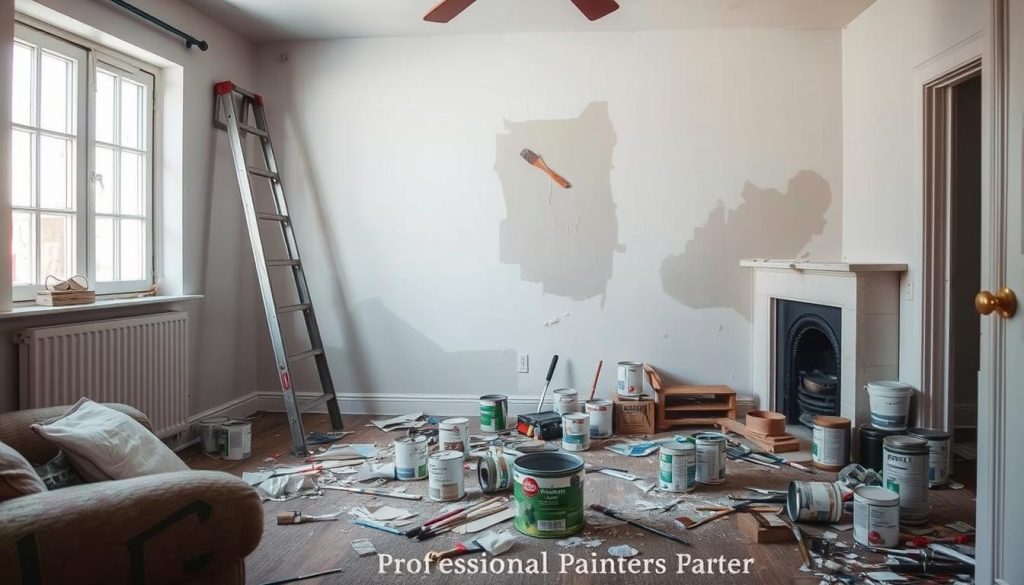
Comparative Cost Analysis: DIY vs. Professional Services
Conducting a thorough cost analysis reveals significant insights when choosing between DIY vs professional painting services. While the allure of DIY painting often stems from potential savings on labor costs, unaccounted expenses can quickly add up. Materials, tools, and the time required for the job might inflate your overall spending, transforming what initially seemed like a budget-friendly option into a considerable financial commitment.
In Australia, the painting costs for professional painters vary widely. In Perth, for instance, prices range from $3,000 to $35,000 depending on the size of your home, the quality of paint chosen, and the complexity of the work. A straightforward project might appear daunting with these figures, yet a value comparison shows that
| Service Type | Average Cost (AUD) | Notes |
|---|---|---|
| DIY Painting | $4,500 – $6,000 | Includes materials and tools; requires personal time. |
| Professional Painting | $3,000 – $35,000 | Costs depend on job complexity and workmanship quality. |
Embarking on a DIY project to paint a three-bedroom house with two baths might lead to a surprising saving of over $2,000 compared to hiring professionals. Nonetheless, the reality of DIY involves various hidden considerations, including acquiring the right tools like brushes, rollers, drop sheets, and prepping items such as fillers and sandpaper. Each of these purchases adds to your overall costs.
It typically takes about 5.5 hours to paint a room yourself, exposing you to risks of mistakes due to a lack of expertise. This could necessitate correction efforts, ultimately impacting the quality of your finish. On the other hand, professional painters come equipped with industry-standard tools and experience, assuring a higher-quality outcome and coverage for any accidents that may occur during the process. In terms of investment, each option exhibits its advantages, making your choice heavily dependent on your personal priorities.
Factors Influencing Professional Painting Costs
When considering professional painting costs, various factors play a critical role in determining the overall price. Understanding these elements can lead to more informed decisions about your painting projects. Key influences include project size and complexity, as well as the type and quality of paint used.
Project Size and Complexity
The size of your project significantly impacts painting costs. Larger areas require more materials and labor, making detailed planning essential. Here’s an overview of the average costs based on different project sizes:
| Project Size | Average Cost ($) |
|---|---|
| 500 sq ft | 1,625 – 3,875 |
| 1,000 sq ft | 3,250 – 7,750 |
| 1,500 sq ft | 4,875 – 11,625 |
| 2,000 sq ft | 6,500 – 15,500 |
| 2,500 sq ft | 8,125 – 19,375 |
| 3,000 sq ft | 9,750 – 23,250 |
| 3,500 sq ft | 11,375 – 27,125 |
Complex projects, such as those requiring detailed work like intricate designs or finishes, will typically drive up costs due to the necessary expertise and time involved.
Type and Quality of Paint
The choice of paint types can greatly affect your final expenses. For instance, high-quality paints often come with a higher price tag, but they may offer superior durability and finish. On average, you might expect the costs to vary as follows:
- Primers: Around $10 per can
- Flat or matte paint: Starting at around $10 per gallon
- Eggshell and satin paints: $12 – $13 per gallon
- Semi-gloss and high-gloss paints: $30 – $80+ per gallon
It’s essential to weigh these quality considerations. Investing in better paint can not only enhance the look of your home but also reduce the frequency of required maintenance painting. To explore hiring a skilled team for your painting needs, check out Geelong Painters for competitive pricing and extensive experience.
Professional Painting vs. DIY: Summary of Considerations
When choosing between professional painting and DIY approaches, several factors come into play. A thorough summary of considerations can help you navigate this decision effectively. Evaluate your unique needs and preferences alongside potential benefits and drawbacks.
DIY painting offers initial cost savings as you avoid labor costs. You may find that purchasing paint supplies costs less than hiring a professional painter. Yet, this option comes with varying quality outcomes depending on your skills and experience. If you prioritize personal expression, DIY insights allow you to personalize your space according to your tastes.
On the other hand, professional painting guarantees a high-quality finish, thanks to years of training and expertise. Professional painters typically have access to discounted paint and supplies, which can offset labor expenses. Furthermore, many offer warranties on their workmanship, providing peace of mind about the painting project outcomes.
Another consideration involves time. An average-sized room may require an entire weekend or more for a DIY project, while professionals can efficiently paint a 4-room HDB flat in just 1 to 3 days. This time efficiency is crucial if you have a busy schedule.
Both avenues are exploring eco-friendly practices. While DIY painting allows for easy selection of low-VOC paints and minimizes waste, professional painters are adopting these methods as well. They often utilize premium-quality paints that can withstand challenging climates, ensuring durability and longevity.
| Factor | DIY Painting | Professional Painting |
|---|---|---|
| Cost | USD $159 – $380 (equipment) | From USD $350 to $500 (for a standard room) |
| Time | Average weekend or more for one room | 1 to 3 days for a 4-room flat |
| Quality | Varied based on skill level | Consistent, high-quality results |
| Longevity | Depends on paint and technique | High-quality paints for long-lasting results |
| Eco-friendliness | Easy to choose low-VOC options | Increasing use of eco-friendly paints |
Your decision should consider budget, time commitments, and the desired aesthetic outcome. By evaluating both options comprehensively, you can find the method that best suits your home’s needs and your overall objectives.
Conclusion
In conclusion, your decision-making process regarding painting choices in Australia hinges on several personal factors such as budget, available time, and the desired finish quality. Opting for DIY painting may offer a sense of achievement and potential cost savings, yet it often presents challenges such as achieving even coats and avoiding drips. On the other hand, hiring professional painters guarantees superior expertise and efficiency, which is especially beneficial for complex projects or special surfaces requiring a meticulous touch.
While the upfront costs of hiring professionals can be higher, the long-lasting quality of their work may justify the investment. Professionals provide a 5-year guarantee for customer satisfaction, ensuring that your project meets high-quality standards. Understanding the intricacies of each option can lead you to a successful outcome for your painting project, taking into account both the immediate and long-term benefits.
For peace of mind and exceptional results, particularly in larger or intricate tasks, it might be wise to consider professional services. If you want to discuss residential and commercial painting options or need expert advice tailored to your needs, feel free to reach out for assistance in Geelong. Making informed decisions can significantly enhance the value and aesthetics of your home.
FAQ
What are the primary advantages of hiring a professional painter?
Hiring a professional painter offers expertise and experience, leading to a high-quality finish. They are knowledgeable about best practices in surface preparation and painting techniques, ensuring your project exceeds expectations. Additionally, professionals can save you significant time, allowing you to focus on other priorities.
What should I consider before deciding to paint my home myself?
Before choosing to undertake a DIY painting project, consider your skill level, the project’s scope, and your available time. Assess whether you have the necessary tools and materials, and be aware that mistakes can lead to additional costs. Understanding the complexities of the task is crucial for a successful outcome.
How can I determine the cost of a professional painting service?
The cost of hiring a professional painter varies based on project size, complexity, the type and quality of paint used, and specific techniques required. It’s best to obtain quotes from several professionals and to inquire about the details included in their pricing to get a clearer understanding of potential costs.
What are the common mistakes homeowners make when DIY painting?
Common mistakes include inadequate surface preparation, miscalculating material needs, and rushing the application process. These errors can lead to uneven finishes, peeling paint, and the need for subsequent repairs, which can negate any cost savings from doing it yourself.
What safety precautions should I take when painting?
When painting, ensure proper ventilation by opening windows and using fans to circulate air. Wear protective gear, including masks, goggles, and gloves, to safeguard yourself from harmful fumes and splashes. Always follow the manufacturer’s safety instructions on paint products.