
When it comes to enhancing your space, the choice of paint finish plays a crucial role. Understanding Different Paint Finishes and Their Best Uses is essential for achieving the desired aesthetic and functionality in your home or office. Each type of paint finish has unique characteristics, ranging from its level of reflectivity to its durability. These paint sheen types significantly influence not just the look but also the maintenance requirements and overall longevity of painted surfaces.
For example, high-gloss paint finishes are the shiniest and most reflective, which makes them an excellent choice for smaller surfaces like doors or cabinets, where a touch of elegance is desired. On the other hand, satin and eggshell finishes are recognized for their balance between durability and aesthetics, making them suitable for various interior walls. Understanding these distinctions allows you to make informed choices, ensuring that you select the best uses for paint finishes according to the specific needs of each room.
Key Takeaways
- Different paint finishes offer unique reflections and durability.
- High-gloss finishes highlight details but can show imperfections.
- Semi-gloss is ideal for moisture-prone areas like bathrooms.
- Satin finishes provide a velvety look while being easy to maintain.
- Eggshell paints are suited for high-traffic areas but with lower reflectivity.
- Flat paints are best for ceilings and low-traffic areas due to low durability.
The Importance of Choosing the Right Paint Finish
When undertaking a painting project, choosing the right paint finish is essential for achieving your desired results. The paint sheen types determine how light reflects off surfaces, influencing the overall appearance of your selected paint colors. For instance, a high-gloss finish reflects more light, contributing to a spacious and bright impression, while matte finishes reduce glare and create a softer ambience.
Another crucial factor is paint durability. Higher sheen finishes tend to be more resilient, making them preferable for high-traffic areas or surfaces that require frequent cleaning. Semi-gloss and gloss finishes, for example, are ideal for kitchens and bathrooms where moisture and stains are prevalent. Meanwhile, matte finishes are cost-effective, providing a traditional look suitable for less maintained areas.
It is vital to ensure compatibility between the chosen paint finish and the surface material. For instance, the smoothness of a surface can impact adhesion and overall appearance. Exploring a range of options allows you to tailor your painting project, maximizing both aesthetics and functionality. For more information on rendering choices that can further enhance your surfaces, consider visiting Geelong Painters.
Overview of Paint Sheen Types
Understanding the various paint sheen types is crucial for achieving the desired aesthetic and functionality in your projects. Paint sheen reflects light differently, affecting not only appearance but also durability and cleanability. Each type serves specific purposes and varies widely in reflectivity and resilience.
Flat paint is ideal for low-traffic areas such as bedrooms and dining rooms. It has a non-reflective surface, making it excellent at hiding imperfections. The pigment volume concentration (PVC) for flat finishes is typically 40% or higher, resulting in a smooth, matte appearance.
Eggshell paint features a slight sheen, typically with a PVC of 35-40%. This finish balances the ability to conceal flaws while offering ease of cleaning. It works well in living rooms and bedrooms, providing sophistication without high gloss.
For areas that experience more wear, satin paint is an excellent choice. With a PVC of 30-35%, satin presents a softer sheen that brightens rooms. It is highly durable and suitable for kitchens and hallways due to its resistance to stains and moisture.
Semi-gloss paint, characterized by a 25% PVC, is preferred for high-contact areas like kitchens and bathrooms. This finish is easy to wipe down, making it practical for spaces requiring regular maintenance. It showcases architectural details effectively, enhancing the beauty of trim and cabinetry.
Lastly, high-gloss paint provides the most reflective finish with a PVC of just 15%. It is often recommended for areas exposed to moisture, such as bathrooms and kitchens. Its slick surface resists stains, making it a prime choice for high-traffic and high-wear surfaces.
A detailed knowledge of these paint sheen types will empower you to select the perfect finish tailored to your space’s needs. For more information on painting costs and factors influencing your choices, check out this informative resource.
| Paint Type | PVC (%) | Best Uses | Durability |
|---|---|---|---|
| Flat Paint | 40% or higher | Low-traffic areas, ceilings | Poor; hides imperfections |
| Eggshell Paint | 35-40% | Living rooms, bedrooms | Moderate; easy to clean |
| Satin Paint | 30-35% | Kitchens, hallways | Good; moisture-resistant |
| Semi-Gloss Paint | 25% | High-contact areas | Very good; easy to wipe down |
| High-Gloss Paint | 15% | Moisture-prone areas | Excellent; stain-resistant |
High-Gloss Paint Finish
High-gloss paint stands out for its extreme reflectivity and exceptional durability. This type of finish not only enhances a room’s vibrancy but also provides a long-lasting and easy-to-clean surface. Its shiny appearance significantly amplifies light, making spaces feel more open and welcoming. Nevertheless, it is crucial to prepare surfaces meticulously, as this finish can underscore imperfections, necessitating thorough prep work before application.
Characteristics of High-Gloss Paint
High-gloss paint is distinguished by its slick, reflective finish which offers a variety of benefits. Key characteristics include:
- Extreme reflectivity: High-gloss paint enhances lighting, creating a brighter atmosphere.
- Exceptional paint durability: This finish withstands wear, making it suitable for high-traffic areas.
- Easy cleaning: The smooth surface allows for quick wipe-downs, ideal for kitchens and bathrooms.
- Surface preparation: Surface imperfections may be highlighted, emphasizing the need for meticulous prepping.
Best Uses for High-Gloss Paint
When considering high-gloss paint applications, it is essential to choose the right spaces. The best uses for high-gloss paint include:
- Kitchens: Its durability and ease of cleaning make it perfect for cabinets and walls.
- Bathrooms: High-humidity areas benefit from its resistance to moisture and stains.
- Doors and trim: Enhances the aesthetic appeal while providing a smooth finish that is easy to maintain.
- High-traffic hallways: Durable enough to withstand frequent contact.
Semi-Gloss Paint Finish
Semi-gloss paint serves as an excellent choice for many interior projects due to its unique properties. With a balance of reflectivity and durability, it remains a popular option that meets the demands of various environments. Below, you will discover its specific advantages and applications.
Durability and Resistance
This type of durable paint ensures long-lasting results, making it a favorite for high-traffic areas and locations subject to moisture. Semi-gloss finishes excel in resisting mildew, which is essential for rooms like kitchens and bathrooms where humidity levels are naturally higher. The ease of cleaning further reinforces its popularity, allowing you to maintain a pristine look with minimal effort.
Ideal Applications for Semi-Gloss Paint
The best uses for semi-gloss paint encompass a range of applications, specifically in areas that demand both aesthetic appeal and functionality. Consider the following:
- Kitchens: Effective against grease and water stains.
- Bathrooms: Provides moisture resistance, preventing mildew buildup.
- Trim Work: Accentuates architectural details while ensuring durability.
- Accent Walls: Offers a touch of shine that enhances room decor without overwhelming it.
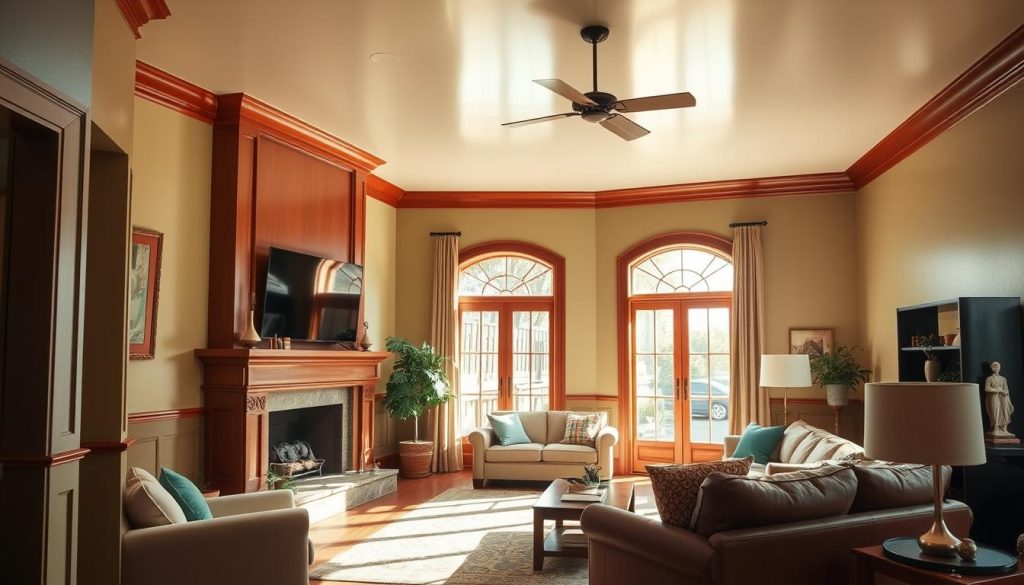
| Application Area | Benefits |
|---|---|
| Kitchens | Easy to clean; resists grease |
| Bathrooms | Mildew resistant; durable under moisture |
| Trim Work | Enhances detail with a smooth finish |
| Accent Walls | Provides shine without overpowering decor |
Satin Paint Finish
Satin paint finishes offer a unique blend of aesthetics and functionality. With a subtle sheen, satin paint enhances the interior design while providing excellent durability. This makes it a top choice for various projects, especially in family rooms and children’s bedrooms. Satin paint benefits include its ability to retain a cleaner appearance compared to higher gloss paints, making it a versatile option for those seeking a balance between elegance and practicality.
Why Choose Satin for Interior Projects?
When considering interior paint options, satin paint stands out for several reasons. Its finish provides a soft glow that highlights the beauty of your interior design. With its enhanced durability, satin paint is ideal for high-traffic areas where wear and tear occur more frequently. Additionally, satin paint is easier to clean than matte finishes, offering homeowners a practical solution for regular maintenance. This combination of durability and ease of care makes it suitable for spaces like kitchens and bathrooms.
Maintenance and Touch-Up Guidelines
Satin paint maintenance is relatively straightforward, allowing for longevity without excessive effort. Regular cleaning with mild detergents is recommended to maintain its appearance. For touch-ups, you must be cautious, as matching the original satin paint finish may require specific techniques. Proper touch-up guidelines include ensuring the same application method is used and allowing adequate drying time for a consistent look. Following these practices ensures your satin paint remains vibrant and attractive.
In summary, satin paint offers a stunning finish with practical benefits. Its resilience makes it suitable for numerous applications, enhancing the overall aesthetic of your home. If you’re considering a project, consulting professionals for your interior paint needs can further enhance your results, ensuring an exquisite finish that meets your style and maintenance preferences.
Eggshell Paint Finish
Choosing the right paint finish can significantly impact the aesthetics and functionality of your space. Eggshell paint offers a unique balance of durability and elegance, making it a favored choice for various applications. This paint type mimics the soft sheen of an eggshell, providing both a stylish appearance and practical benefits.
Comparative Advantages of Eggshell Finish
Eggshell paint presents several advantages that make it a desirable option for many homeowners and businesses. The key benefits include:
- Moderate sheen: Eggshell paint has a slight shine, which enhances brightness in well-lit areas, making your rooms feel more open and inviting.
- Concealment of imperfections: This finish helps hide minor wall flaws better than flatter paints, ensuring a more polished look.
- Easy maintenance: Eggshell finishes provide a degree of wipe-ability. You can easily clean surfaces without compromising the overall aesthetic.
- Versatile applications: The paint works well in various settings, from living rooms to hallways, striking a balance between style and practical usage.
- Moderate durability: While not as tough as semi-gloss or satin, eggshell paint withstands light cleaning, making it suitable for low to medium traffic areas.
Common Areas for Eggshell Paint Application
The best uses for eggshell paint include spaces where aesthetics are prioritized over extreme durability. Common applications typically involve:
- Living rooms and dining areas: A popular choice for these high-traffic rooms, eggshell paint provides beauty without overwhelming gloss.
- Hallways: Its ability to withstand everyday wear makes it an ideal candidate for corridor walls.
- Bedrooms: Offering a serene look, eggshell paint enhances the coziness of personal spaces without excessive shine.
- Closets: The moderate sheen aids in illuminating small spaces, making them feel larger and cleaner.
In summary, you can greatly benefit from the eggshell paint finish in both aesthetic and practical terms. With its unique eggshell finish advantages, you’ll find it suited for various environments, allowing you to achieve the look you desire without compromising durability. Understanding the common eggshell paint applications can guide your choices effectively in enhancing your living or working spaces.
Flat and Matte Paint Finishes
Flat and matte paint finishes stand out due to their non-reflective qualities, which make them suitable for various applications. The low reflection aspect allows these types of paint to mask imperfections on walls effectively. While they do not shine, they present a rich color depth that can enhance the ambiance of a room.
Understanding the Low Reflection Aspect
Flat paint, often synonymous with matte finishes, absorbs light rather than reflecting it. This characteristic makes it ideal for spaces where a subtle appearance is desired. The primary advantage of low reflection paint is its ability to hide surface flaws. You can achieve a smooth, uniform look in areas where you want to create a calming environment without distractions.
Best Settings for Flat Paint Usage
Consider flat paint usage in low-traffic areas of your home. The best areas for flat paint include:
- Adult bedrooms, promoting a serene atmosphere
- Ceilings, where a non-reflective surface minimizes visual distractions
- Formal sitting rooms that benefit from the elegant appeal of matte finishes
- Offices, where minimizing glare can enhance productivity
These settings benefit from the unique qualities of flat paint, making them ideal candidates for matte finishes. While flat paint is easier to touch up and apply, be mindful of its limited durability, particularly in high-traffic areas.
| Paint Finish | Price Range | Best Areas for Use | Durability |
|---|---|---|---|
| Flat Paint | $20 – $40 per gallon | Bedrooms, Ceilings, Offices | Low |
| Matte Paint | $25 – $45 per gallon | Formal Rooms, Low-Traffic Areas | Low |
In summary, flat and matte finishes are perfect for creating tranquil environments in areas with less wear and tear. Their inherent qualities allow for an easy application without compromising on aesthetics, offering transformative solutions for your interior spaces.
Understanding Different Paint Finishes and Their Best Uses
Understanding paint finishes is essential for anyone embarking on a painting project. The type of finish you select can significantly impact both the aesthetic appeal and the longevity of your work. Each finish comes with its own unique characteristics and best use scenarios, serving specific needs within your home or professional space.
Water-based paints offer quick drying times, making them ideal for residential areas where tenant turnover is high. They are low in Volatile Organic Compounds (VOCs), leading to minimal odors during application. In contrast, oil-based paints are cost-effective and provide durability, making them suitable for metal surfaces and properties exposed to tough conditions.
Latex-based paints are user-friendly with easy cleanup using soap and water. Their quick drying times make them a favorite for painting floors and concrete surfaces. Meanwhile, enamel paints are designed for touch-ups, offering a glossy and long-lasting finish that is perfect for outdoor gates or railings.
Acrylic paints are incredibly versatile, working well on both interior and exterior surfaces. They dry relatively quickly, but full curing can take weeks. For those looking for a chic yet economical option, flat finishes can impart a luxurious appearance, though they may not hold up in high-traffic areas.
Satin finishes lend a velvety touch and are washable, making them suitable for hallways and woodwork. Semi-gloss options offer a slight sheen and durability, ideal for kitchens and bathrooms where spills are common. Eggshell finishes are among the most popular choices, providing a smooth and low sheen that enhances color depth.
The variety of paint finishes available allows for detailed planning and effective application, contributing greatly to a successful painting project. This paint usage guide highlights these considerations, empowering you to make informed decisions when selecting your ideal finish.
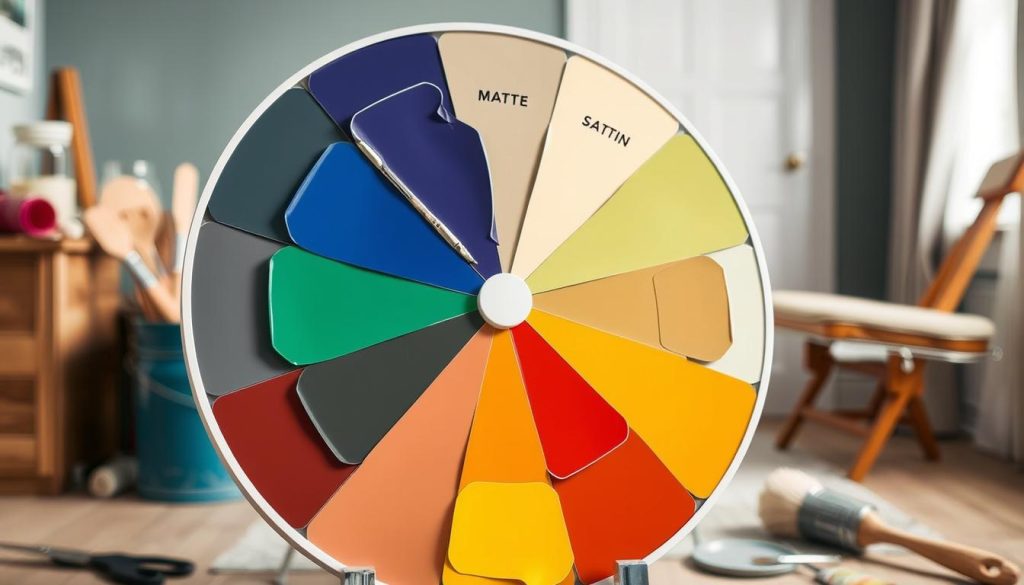
Factors Influencing Your Paint Finish Choice
When selecting a paint finish, several factors come into play. Understanding your specific needs can help guide you toward the most suitable option for your project.
Room Functionality and Traffic Levels
The functionality of a room and its associated traffic levels significantly influence your paint choice. Areas that experience high foot traffic, such as hallways and kitchens, require more durable finishes. A semi-gloss or high-gloss paint finish works best in these settings due to their enhanced durability and ease of cleaning. Conversely, for rooms with minimal activity, such as a guest bedroom, you might opt for a flat or eggshell finish which provides a softer aesthetic.
Surfaces and Prepping Requirements
Different surfaces necessitate varying levels of surface preparation. Smooth surfaces often allow for a direct paint application, minimizing prep time. Textured walls may demand extensive paint prep, potentially involving additional coats or specialized primers. Proper preparation ensures that the finish adheres correctly and enhances the longevity of your paint job. For further insights on primer usage, visit this helpful resource.
Common Mistakes in Choosing Paint Finishes
Choosing the right paint finish involves more than just selecting a color. Many homeowners face challenges, leading to common paint finish mistakes. Understanding the sheen level importance and recognizing room-specific paint needs can greatly enhance your results. Awareness of these factors ensures that your paint selections contribute positively to the desired ambiance and durability of your spaces.
Underestimating Sheen Levels
A frequent error occurs when individuals underestimate the importance of sheen levels. High-gloss finishes, while durable, can highlight imperfections and alter color perceptions. On the contrary, flat or matte finishes offer deep colors but lack durability. The risk of utilizing too much gloss in inappropriate areas can result in undesirable emphasis on flaws. Eggshell and satin sheens often serve as more suitable choices for walls due to their balance of durability and aesthetic appeal.
Ignoring Room-Specific Needs
Another critical misstep is ignoring specific applications tailored to the room’s requirements. For instance, a kitchen or bathroom experiences high humidity levels; thus, satin or semi-gloss paints are ideal, providing both moisture resistance and ease of cleaning. In contrast, low-traffic areas may benefit from flat finishes, which tend to minimize reflections and deliver a soft ambiance. It is vital to assess the function of each room to ensure your paint choices align with its unique challenges and characteristics.
Tips for Applying Different Paint Finishes
When it comes to achieving the perfect paint finish, understanding the right techniques is essential. Proper preparation methods, combined with the appropriate tools, can significantly enhance the quality and durability of your work. Implementing effective painting techniques will lead to a successful and visually appealing outcome.
Preparation Techniques for Optimal Results
Before diving into your painting project, consider these preparation techniques:
- Clean surfaces: Dust and dirt can significantly affect adhesion, so ensure surfaces are thoroughly cleaned.
- Sanding: Smooth surfaces promote even application and improve paint adherence.
- Priming: Using a primer can mask imperfections and prepare walls for better paint adhesion.
Employing these preparation techniques will reduce imperfections and create a solid foundation for applying your chosen paint finishes. Without adequate prep work, even the best painting techniques may fall short of expectations.
Recommended Painting Tools
To achieve the best results with your paint finishes, utilizing the right tools is crucial. Consider these recommended tools for painting:
- Quality brushes: Choose brushes designed for specific paints to get the best coverage and finish.
- Rollers: Opt for rollers suited for the texture of your walls for an even coat.
- Painter’s tape: This tool helps create crisp lines and prevents paint from bleeding into unwanted areas.
Using these painting tools effectively will enhance your ability to apply different paint finishes smoothly and professionally. Investing time in prep and tool selection ultimately leads to a successful painting experience.
Conclusion
Understanding paint finishes is essential for achieving the desired aesthetic and functionality in your spaces. By familiarizing yourself with the various options available, from flat and eggshell to semi-gloss and high-gloss, you can make informed choices that cater to both your taste and the demands of your specific environment. The best paint finish choices not only enhance visual appeal but also contribute to the durability of the surfaces, ensuring they withstand the test of time.
For instance, you’ll find flat finishes are perfect for ceilings and quiet areas, while satin paints offer a durable solution for lively rooms like kitchens and play spaces. Recognizing these nuances allows you to strike a balance between cost and maintenance needs throughout your project. Ultimately, investing in higher-quality finishes such as satin or semi-gloss can yield long-term savings by minimizing the frequency of touch-ups and repainting.
In summary, whether you’re working on residential or commercial properties, a solid grasp of paint finishes and their best uses transforms your painting endeavors into satisfactory results. If you require professional assistance, don’t hesitate to reach out for expert residential and commercial painting services in Geelong. Call now at 0466 344 447.
FAQ
What are the main types of paint finishes?
The main types of paint finishes include flat, eggshell, satin, semi-gloss, and high-gloss. Each type offers varying levels of reflectivity and durability, making them suitable for different applications and environments.
Which paint finish is best for high-traffic areas?
For high-traffic areas, semi-gloss and high-gloss finishes are ideal due to their durability and ease of cleaning. These finishes can withstand frequent contact and are resistant to moisture and dirt, making them perfect for spaces like kitchens, bathrooms, and hallways.
Can I use flat paint in humid areas?
It is not recommended to use flat paint in humid areas as it is less durable and may not hold up well against moisture. Instead, opt for semi-gloss or satin finishes, which offer better moisture resistance and are easier to maintain in such environments.
How do I choose the right paint finish for a room?
Consider factors such as room functionality, traffic levels, and surfaces. For example, high-traffic areas require more durable finishes like semi-gloss or high-gloss, while low-traffic or decorative spaces can benefit from eggshell or flat finishes.
What maintenance is required for a satin paint finish?
Satin paint requires relatively simple maintenance. You can clean it with mild detergents to keep it looking fresh. However, be careful with touch-ups, as it may require additional care to match the original finish due to its smooth texture.
Why is sheen important in paint selection?
Sheen affects not only the appearance of your painted surfaces but also their durability and maintenance. Higher sheen levels reflect more light, which can highlight imperfections but also provide increased durability and ease of cleaning.
What can I do to prepare surfaces before painting?
Proper preparation methods include cleaning the surface, sanding when necessary, and applying a suitable primer. This ensures better adhesion and a smoother application of your paint finish, ultimately enhancing durability and aesthetics.
Can eggshell paint be used in living rooms?
Yes, eggshell paint is an excellent choice for living rooms. It provides a moderate sheen that can conceal minor imperfections while still being durable enough for areas with some traffic, making it a popular option for common spaces.
What tools are recommended for applying paint finishes?
For optimal results, use high-quality brushes, rollers, and painter’s tape. These tools help ensure a smooth application and can significantly improve the quality of your paint finish, reducing the need for touch-ups later on.